
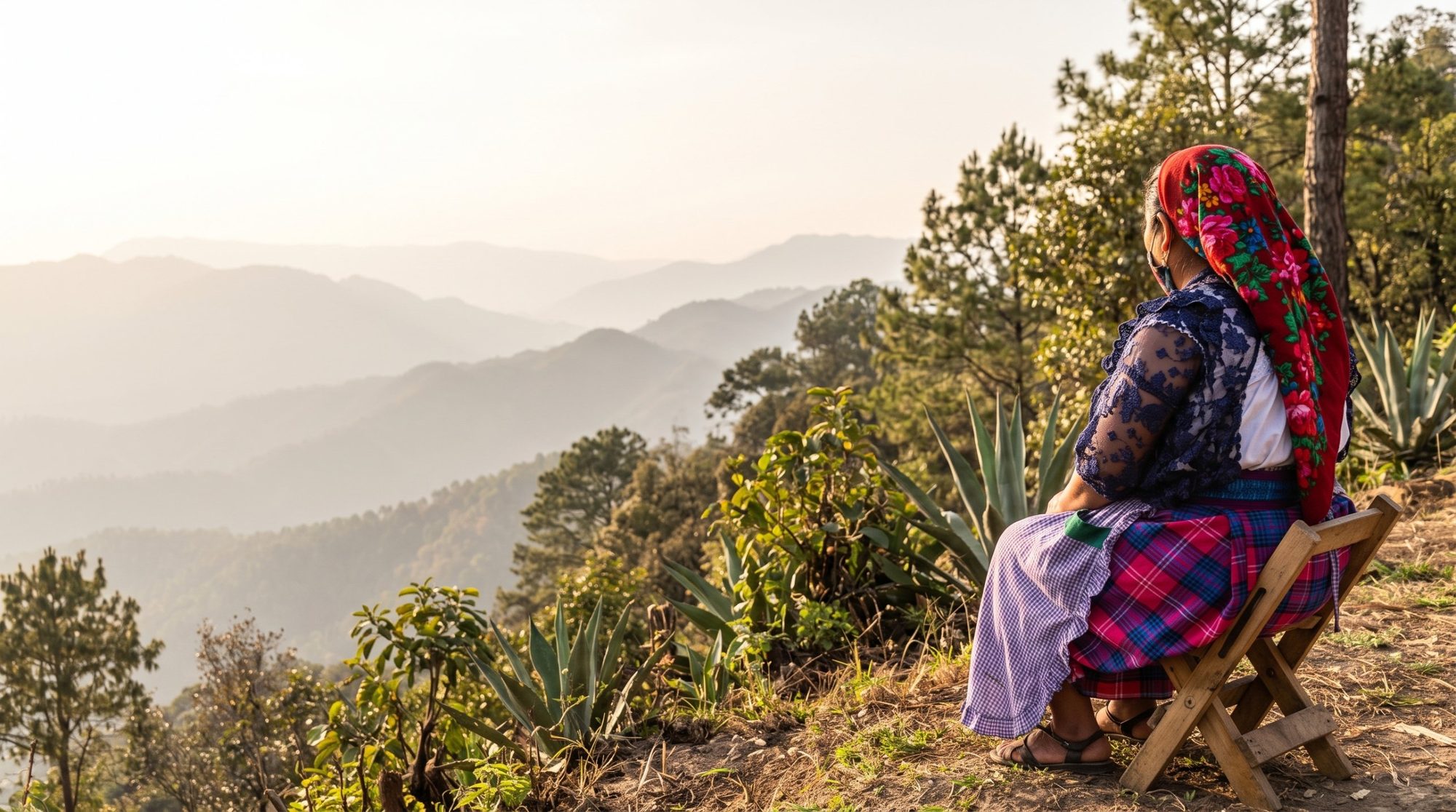
A woman seated on a wooden folding stool, seen from behind, looking out over misty mountains in Oaxaca, Mexico

Indigenous knowledge Healthy people Thriving ecosystems

A pluriverse of knowledge for a sustainable and just future

WONDER is an international research initiative that explores Indigenous women’s knowledge, wellbeing and ecological wisdom in Oaxaca, Mexico, and connects these insights with education, community learning and policy change.

Discover the project

The WONDER Project (Weaving, Oaxacan Narratives for Nurturing Deep Ecological Relationships and Wellbeing) is an international research initiative bridging Indigenous Knowledge Systems with educational and psychological science.

Working in direct partnership with Mazateca and Nahua women in Oaxaca, Mexico, WONDER explores how ancestral Cosmovisions—understandings of deep kinship between humanity and the natural world—inform personal flourishing, mental health, and community resilience.

By co-creating safe, non-formal learning spaces alongside grassroots educators, the project challenges universalist paradigms and advances a decolonial dialogue where diverse ways of living sustainably can thrive together.

The loom (El Telar)

Two sets of threads meet at right angles and hold their own tension, their own colour, their own direction. Neither dissolves into the other. Together they make a cloth that neither could make alone. That is how WONDER works.

Weaving, not merging

WONDER brings Indigenous Latin American epistemologies and contemporary scientific research on wellbeing into the same conversation without asking either to give way to the other. Indigenous knowledge is not treated as raw material for Western theory, and Western frameworks are not treated as the standard against which Indigenous knowledge is measured. Each keeps its own integrity while the two are woven together.
Cosmovisions

Cosmovisions are Indigenous, living relational knowledge systems that connect people, land, ancestors, and the more-than-human world. They offer holistic ways of understanding wellbeing, responsibility, and balance, shaping how communities interpret life, nature, and their place within the cosmos. WONDER asks how Mazatec and Nahua Cosmovisions, for example, describe the relationship between personal wellbeing and the natural world, on their own terms, before any comparison to Western concepts is drawn.

The Pluriverse

The pluriverse describes a world where many worlds coexist: distinct, legitimate knowledge systems held side by side without hierarchy. In WONDER, the pluriverse guides our commitment to honouring Mazatec, Nahua, and other Indigenous cosmovisions as equal partners in defining wellbeing, ensuring no worldview is subsumed or made subordinate.

Relationality

In the communities WONDER partners with, wellbeing is understood as fundamentally relational, emerging from connections to land, community, ancestors, and the practices that sustain those bonds. Rather than an individual state, wellbeing is a lived network of relationships, a principle that guides WONDER’s approach from the outset, not as an added layer.

Where this work is grounded. WONDER’s dialogue is with Mazatec communities of Huautla de Jiménez, Oaxaca, and with Nahua communities originally from Puebla now living in Oaxaca. Both are named here because a pluriverse only means something when the worlds inside it are specific, not abstract.

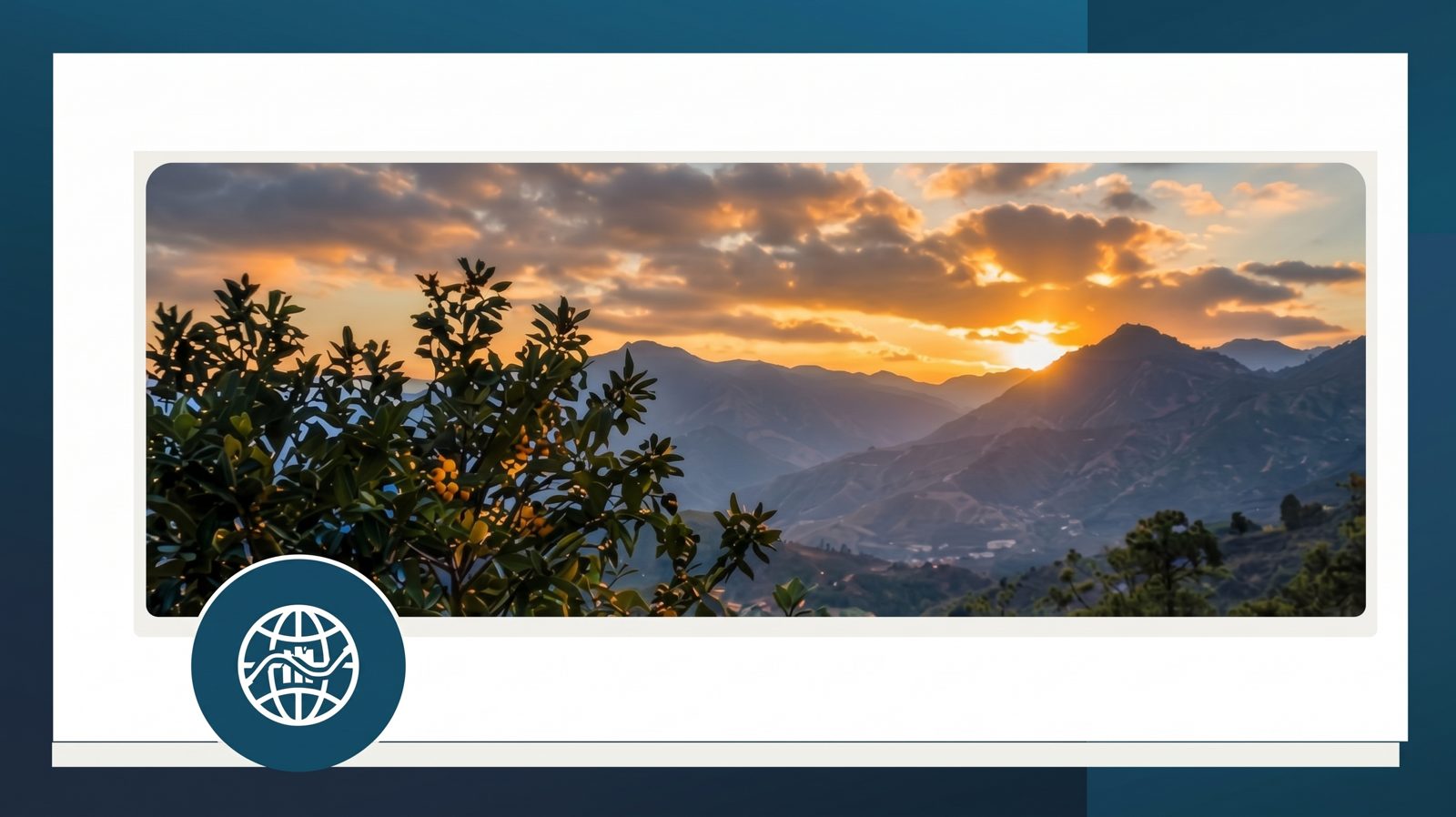
Sunset over the mountains of Oaxaca, seen through the branches of a fruiting tree

The Global Challenge & The Alternative Paradigm

Understanding the intersection between the climate crisis, mental health and Indigenous epistemologies

  • Climate emergency and Biodiversity loss
  • Rising Mental Health Challenges
  • Indigenous TEK and relational Wellbeing
  • Western Vs. Indigenous Wellbeing Models
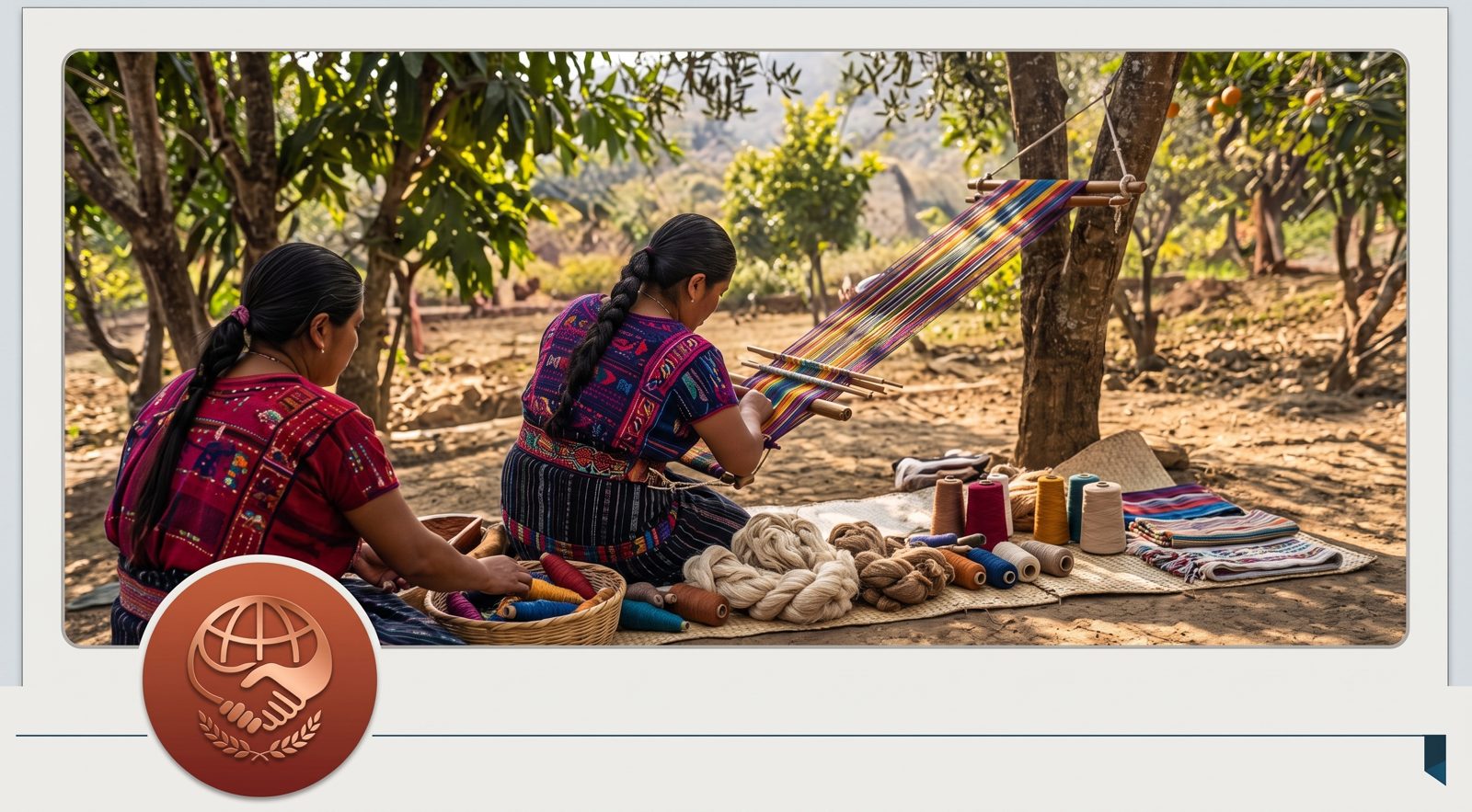
Two Indigenous women weaving on a backstrap loom beneath fruit trees, with spools of wool and woven cloth beside them

Learning Ecologies & Popular Education

Discover the pedagogical principles of Unitierra and deschooling critique, and how non-formal learning protects ancestral wisdom

  • Unitierra Model
  • Popular adult pedagogies
  • Community-led learning
  • Resisting curricular erasure
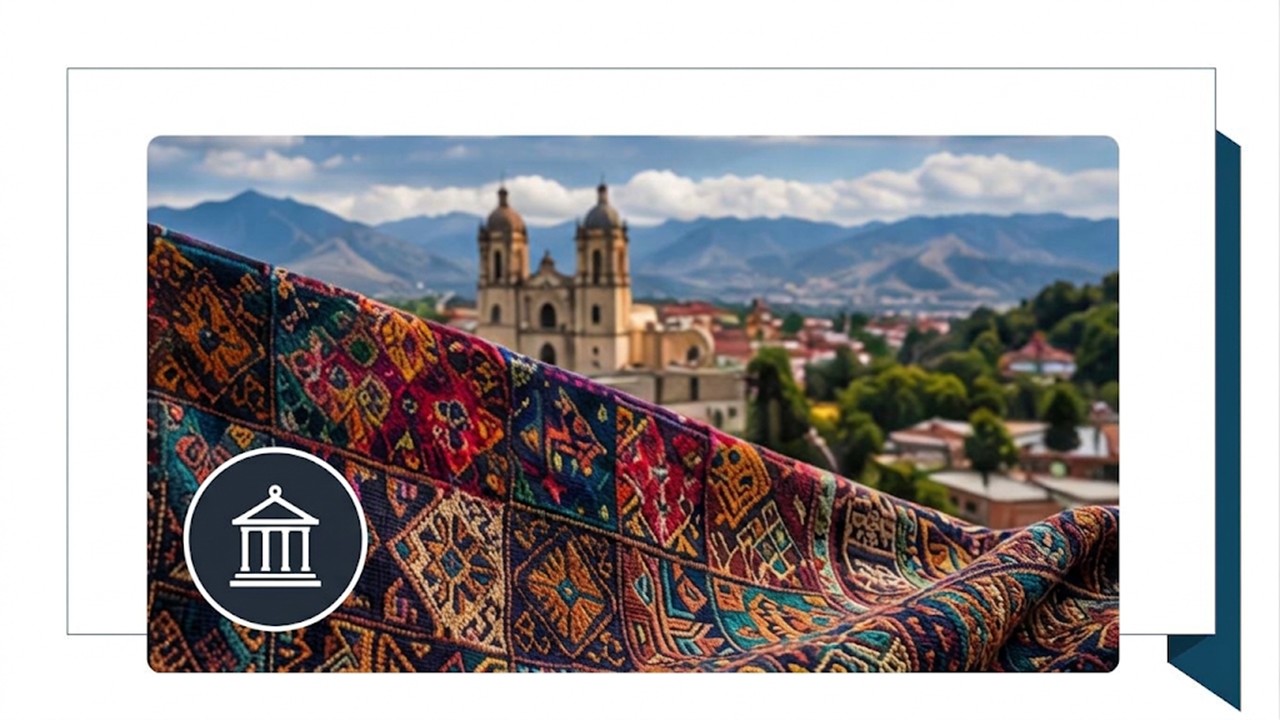
A richly woven textile in the foreground, with a church and the mountains of Oaxaca behind it

Impact & Policy Translation

From community focus groups to international policy arenas. Explore our upcoming events, policy briefs, and knowledge-exchange activities.

  • Action-Research to inform policies
  • Conference Presentations
  • Policy Briefs
  • Seminar Updates

The Journey

This page is a living timeline, not a finished report. It shows where the project genuinely is, updated as each stage unfolds, rather than presenting only a polished outcome at the end.

  1. In progress

    Weaving Connections

    Preparation and relationship-building

    • Ongoing dialogue between the UK and Mexican research teams to shape the study’s questions and methods together, rather than in one direction
    • Institutional exchange (University of York and University of Hull, UK) with Universidad Iberoamericana Ciudad de México and with PSYDEH (Psicología y Derechos Humanos)
    • Development of the project’s ethical framework and consent procedures
    • Preparation of funding applications built on this partnership, not ahead of it
  2. Forthcoming

    Deep Listening in Oaxaca

    Planned fieldwork

    • Three co-created, participatory focus groups with Mazatec and Nahua women in Huautla de Jiménez
    • A Community-Based Participatory Research (CBPR) approach, in which the agenda for each session is shaped together with participants
    • Conversations exploring wellbeing, nature, and Cosmovision on participants’ own terms

    No findings exist yet from this stage. It has not happened. This page will be updated once it does.

  3. Future

    Co-Creation and Reciprocity

    Validation and return

    • Community workshops in which participants review and validate how their words have been understood, before anything is published
    • Popular education dissemination in partnership with Universidad Iberoamericana Ciudad de México, PSYDEH (Psicología y Derechos Humanos) and Veracruz University
    • Academic publication and international dialogue, carrying participants’ own framing forward rather than translating it away
  4. Future

    From Dialogue to Agenda

    Translation into international agendas

    • Translating what emerges from the community dialogues into policy briefs and recommendations for international agendas on wellbeing, education and ecological care
    • Sharing this work with regional and international bodies, such as OREALC/UNESCO, and with education policy audiences in Mexico and the UK
    • Communities decide, together with the team, what is carried into these spaces and how their knowledge is represented there

Esteva made this statement while discussing the futility of trying to reform state education systems. He argued that dedicating a lifetime to changing the educational system would only earn you “a footnote in a textbook and nothing more”. Instead, he advocated for creating alternatives outside the system entirely – like Unitierra in Oaxaca – where learning happens through apprenticeship and community engagement rather than through institutional structures.

This was a lecture given by Professor Gustavo Esteva on September 6, 2005, to a group of university students visiting Oaxaca from the United States. The lecture was conducted in Oaxaca, Mexico.

Esteva, G. (2012). [Quotation on creating a radically new world and alternatives to the educational system]. In Eternal Bhoomi, 4(3), July–September 2012, p. 23. Bhoomi Network.

“You cannot change that monster [the educational system]. But if you want to create a radically new thing, to learn whatever you want to learn beyond the system, you can create that tomorrow morning. You can immediately create something else, a different kind of situation.”

Professor Gustavo Esteva