
The Learning Ecologies: Popular Education, Ancestral Pedagogies, and the Pluriverse
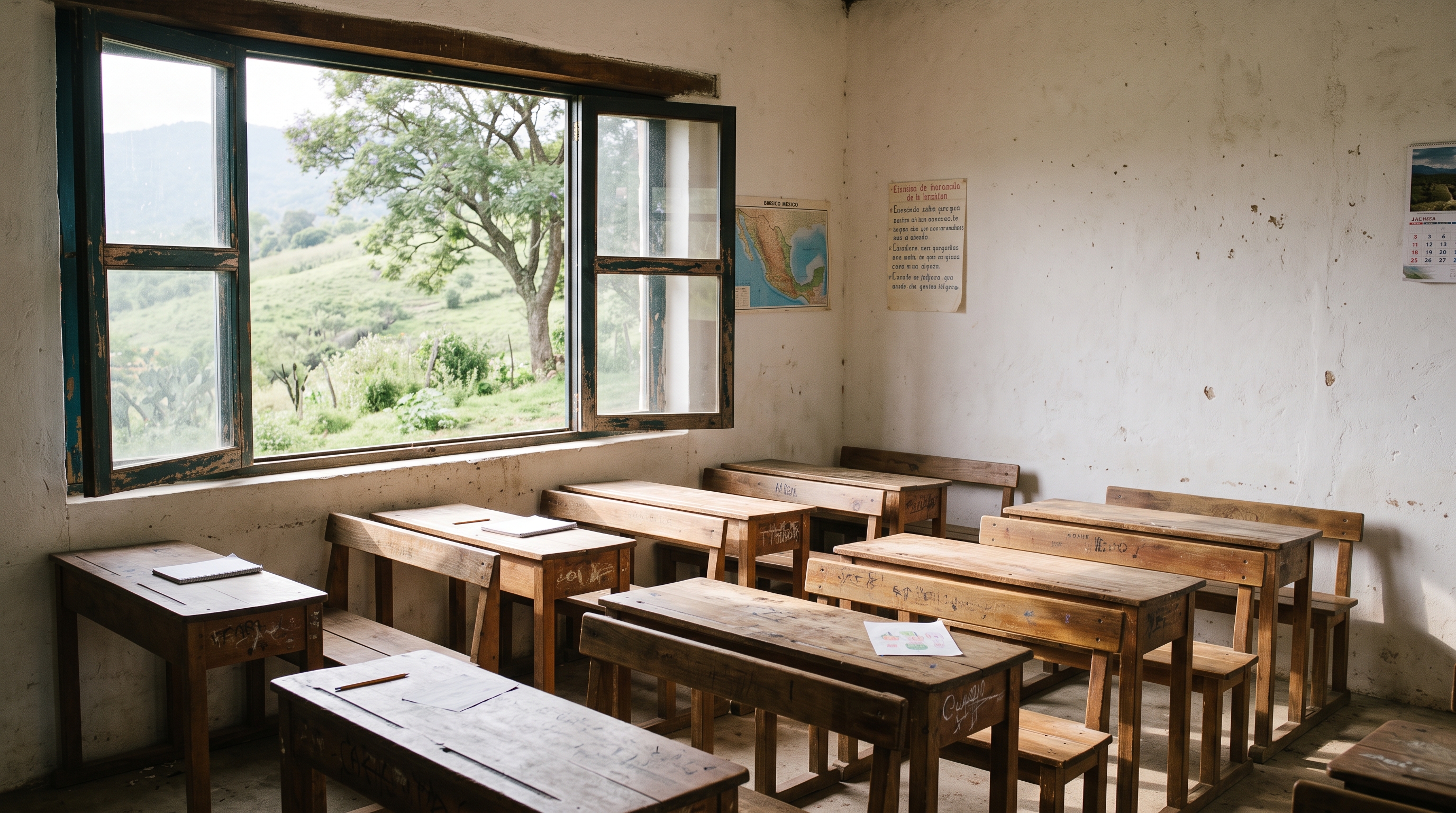
Decentering the Classroom
Education is not confined to the walls of formal schooling, nor does valid knowledge originate solely within Western academic frameworks. The WONDER project conceptualizes learning through the lens of Learning Ecologies—dynamic, relational, and non-formal environments where knowledge is co-created, sustained, and transmitted across generations.
In many Western models, mainstream schooling inadvertently reproduces universalist, extractivist discourses that detach learners from their local ecosystems. In contrast, Indigenous Knowledge Systems (IKS) are inherently pedagogical, grounded in place, and enacted through everyday communal practice. This page outlines how the WONDER project bridges popular education, Indigenous Cosmovisions, and the concept of the pluriverse to nurture alternative learning spaces.
Core Pillars of Our Learning Ecologies
Popular Education and Emancipatory Learning
Rooted in critical pedagogy (Freire) and Latin American popular education traditions, learning is understood as an act of liberation and mutual conscientization. Rather than treating learners as empty vessels to be filled with top-down expertise, popular education creates safe, non-hierarchical spaces where adults examine their lived realities, challenge oppressive structures, and articulate their own narratives.
Ancestral Epistemologies and Land-Based Pedagogies
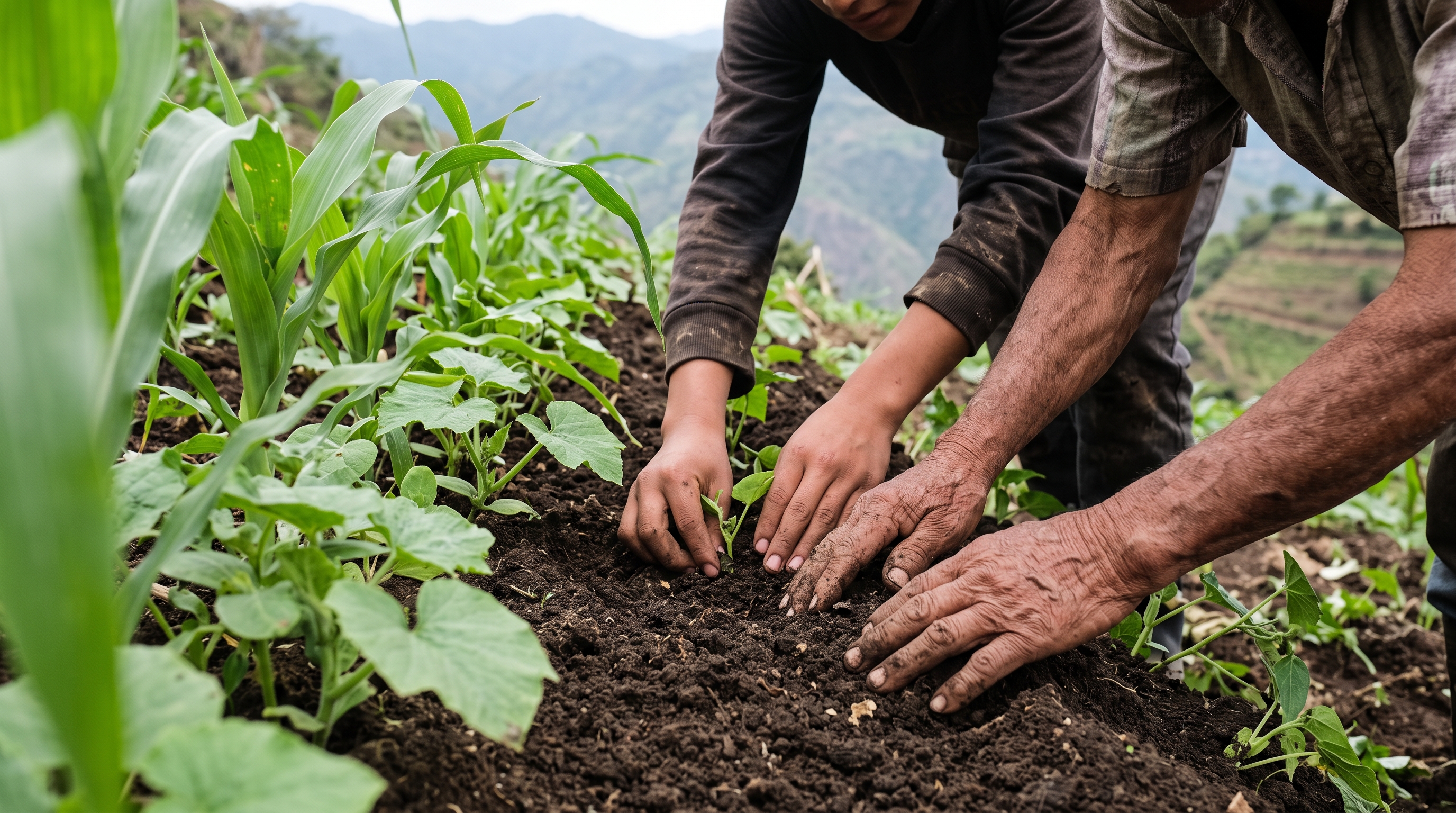
For Indigenous Mazatec, Nahua, and Zapotec women, learning takes place through direct interaction with the natural world—via collective rituals, sustainable agriculture, water management, herbal medicine, and oral storytelling. Nature is not an abstract subject of study; it is an active teacher and relational partner.
The Pluriverse vs. Universalist Education
Mainstream development narratives often rely on a “modernist ontology of universalism” that assumes one single path toward progress and wellbeing. Drawing from the Zapatista principle of creating “a world where many worlds fit,” our framework approaches education as a pluriverse—a space that validates multiple ways of knowing, living, and flourishing (Buen Vivir / Sumak Kawsay).
Pedagogical Sites in Oaxaca: Autonomous and Grassroots Spaces
A central focus of our inquiry is mapping where and how transformative learning occurs outside state-mandated curricula:
- Universidad de la Tierra (Unitierra), OaxacaUnitierra represents a radical, autonomous alternative to conventional higher education. Established to unlearn the institutionalized dependencies of modern schooling, Unitierra operates without degrees, classrooms, or rigid hierarchies. It provides a living laboratory for the WONDER project to host participatory seminars, exchange community-based practices, and study how non-formal spaces foster ecological and human flourishing.
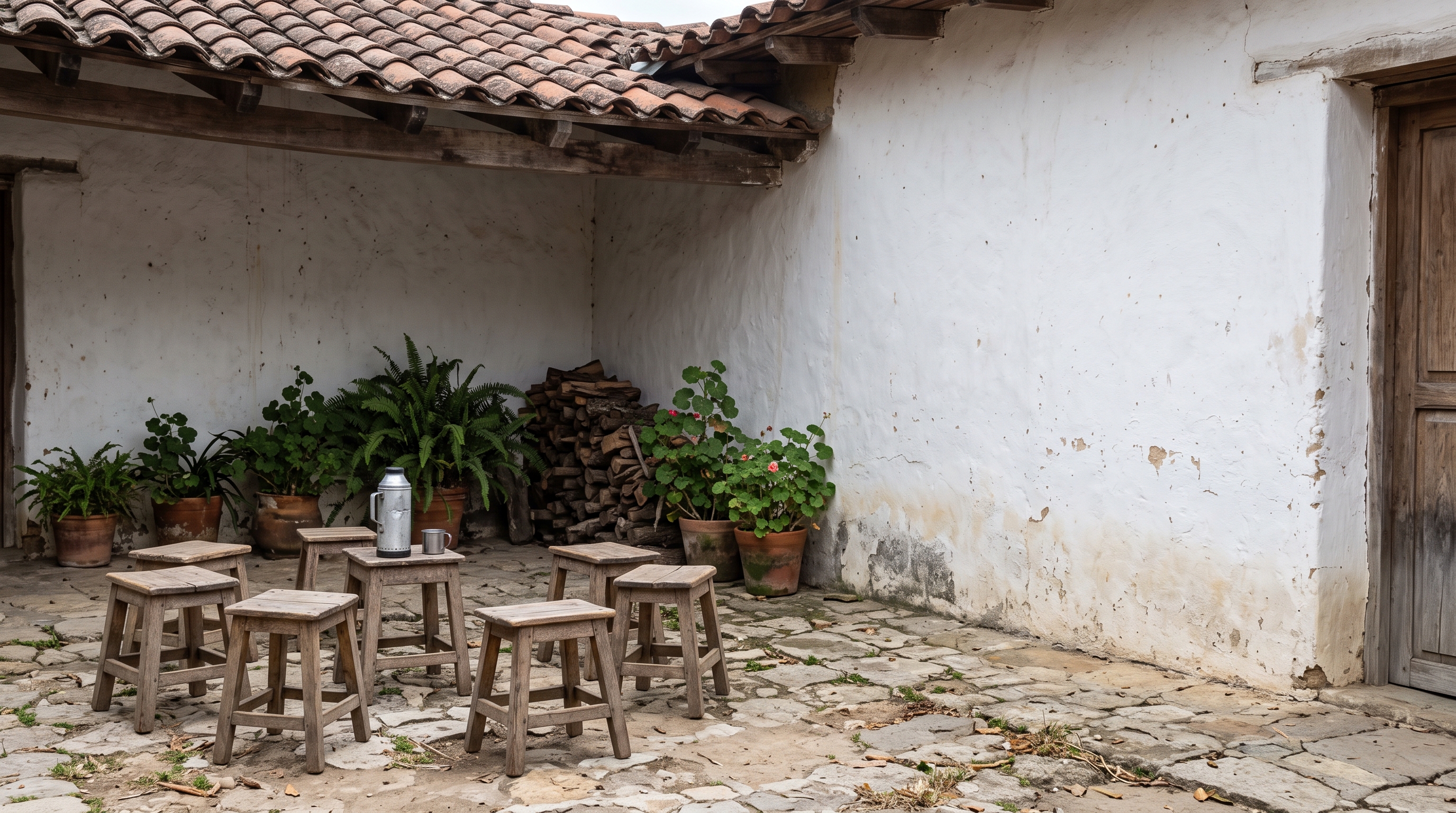
- Communal Gatherings and Customary Systems (Usos y Costumbres)In Indigenous municipalities like Huautla de Jiménez, intergenerational knowledge transmission occurs within community assemblies, shared agricultural labor (tequio), and traditional healing ceremonies. These communal spaces preserve ecological wisdom that formal schooling frequently silences.
- Civil Society Collaborations (PSYDEH A.C.)Through partnerships with grassroots organizations supporting rural and Indigenous women, educational workshops become forums for civic empowerment, psychosocial well-being, and environmental advocacy led by the women themselves.
Methodological Translation: Community-Based Participatory Research (CBPR)
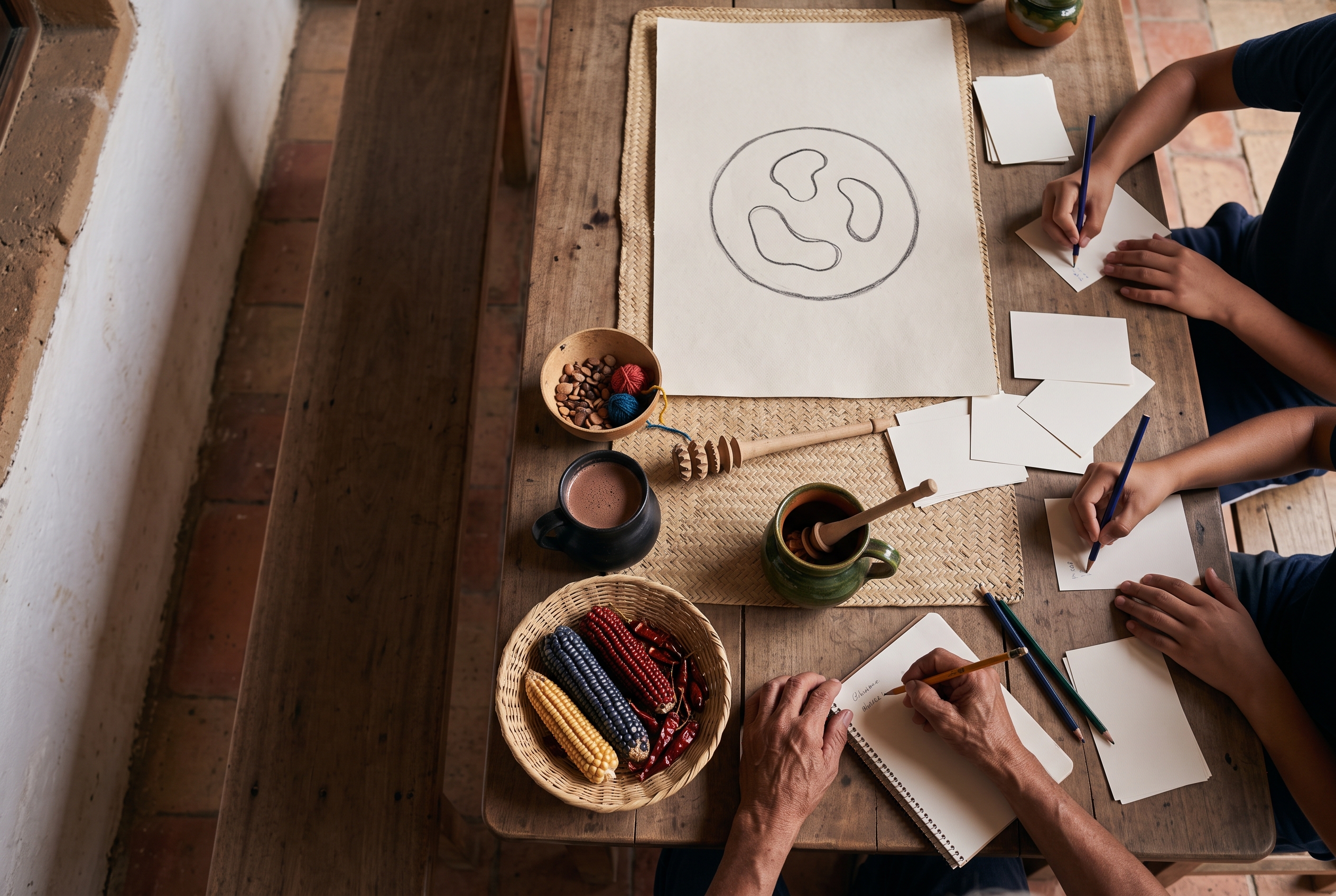
Our research methodology is itself an educational ecological intervention. Rather than conducting extractive academic research, the WONDER project applies Community-Based Participatory Research (CBPR) principles through three co-created focus-group sessions:
- Session 1: Relational FoundationsEntering dialogue to explore how community members define personal well-being, quality of life, and connection to their ecosystems.
- Session 2: Uncovering EpistemologiesMapping the myths, oral narratives, and community practices that shape environmental care and holistic mental health.
- Session 3: Bi-directional Dialogue and Popular EducationCo-identifying the structural challenges faced by Indigenous women and determining how popular education spaces can amplify their ancestral wisdom to inform global well-being paradigms.
Why It Matters for Educational Psychology and Policy
Mainstream educational psychology frequently treats mental health as an individualised, cognitive mechanism detached from physical environments and cultural contexts. By examining these diverse Learning Ecologies, the WONDER project offers evidence-informed insights for:
- Reimagining School CurriculaIntegrating nature-based learning and Indigenous ecological knowledge into learning spaces and alternative education provision as well as informing formal educational programmes.
- Supporting Teacher and Community Well-beingCreating holistic mental health models that draw on community solidarity and nature connection rather than solely clinical interventions.
- Decolonizing Educational ResearchDemonstrating how higher education institutions can collaborate equitably with autonomous learning spaces like Unitierra without appropriating or co-opting their knowledge.